
BLOG
Antarvacna: Origins, Cultural Significance, and Modern Relevance


Introduction to Antarvacna
Antarvacna is a profound concept rooted in ancient wisdom, often described as the “inner voice” or “internal speech.” It plays a central role in spiritual practices, self-awareness, and cultural traditions across the world. Exploring its history and modern interpretations reveals how deeply this idea influences human growth, mindfulness, and decision-making. In a world full of distractions, reconnecting with antarvacna offers clarity, peace, and purpose.
The Origins of Antarvacna
Etymology and Meaning
The term “antarvacna” originates from ancient spiritual and philosophical texts. Literally translating to “inner voice,” it emphasizes self-reflection, guidance, and awareness. Unlike fleeting thoughts, antarvacna represents a steady compass that shapes decisions and actions.
Historical Context
Antarvacna appears in several early religious and philosophical works. Ancient thinkers viewed introspection as essential for wisdom and enlightenment. From early scriptures to philosophical debates, the practice of listening to one’s inner dialogue was seen as the foundation of self-knowledge.
References in Ancient Texts
Sacred writings such as the Upanishads in Hinduism and Confucian teachings in China highlight the necessity of self-examination. These texts underscore the importance of turning inward, reinforcing the timeless role of antarvacna in guiding human life.
Cultural Influence of Antarvacna
Role in Spiritual Practices
Antarvacna has been deeply woven into meditation and mindfulness traditions. Common practices include:
- Meditation: Encouraging focus on breath and thoughts to foster self-dialogue.
- Ritual Silence: Allowing moments of quiet to connect with the self and the universe.
- Guided Imagery: Using visualization to explore thoughts and emotions safely.
Artistic and Literary Representations
Inner dialogue also inspires art, literature, and philosophy.
- Literature: Writers such as Virginia Woolf and James Joyce used stream-of-consciousness techniques to mirror the flow of inner thoughts.
- Visual Arts: Artists depict inner struggles and peace through symbolic imagery, prompting viewers to reflect on their own internal voice.
Modern Interpretations of Antarvacna
In contemporary contexts, antarvacna is strongly linked to mental health and wellness.
- Therapeutic Practices: Psychologists guide patients to explore their inner voices for healing and self-understanding.
- Self-Help Movements: Authors and motivational coaches encourage practices like journaling, mindfulness, and meditation to strengthen self-awareness.
The growing global emphasis on emotional well-being highlights the ongoing relevance of antarvacna in modern life.
Antarvacna Across Cultures
Eastern Philosophies
- Buddhism: Encourages mindfulness meditation to quiet the mind and hear the true self.
- Hinduism: Texts like the Bhagavad Gita stress the importance of aligning actions with one’s inner voice.
Western Thought
- Socratic Philosophy: Socrates emphasized self-examination, stating, “The unexamined life is not worth living.”
- Existentialism: Thinkers like Jean-Paul Sartre highlighted authenticity and the role of inner dialogue in defining the self.
Practical Applications of Antarvacna
Personal Development
By tuning into their inner voice, individuals can identify strengths, confront weaknesses, and align life goals with personal values.
Conflict Resolution
Listening to antarvacna fosters emotional regulation and empathy, both of which are essential in resolving disputes and maintaining relationships.
Decision-Making
Intuition and inner dialogue often guide important life decisions, ensuring they align with values and personal truths.
Global Influence of Antarvacna
Intercultural Perspectives
- Indigenous Traditions: Many indigenous cultures emphasize harmony with nature, where inner reflection forms part of spiritual practice.
- Global Wellness Movements: Mindfulness, meditation, and emotional intelligence programs draw inspiration from the principles of antarvacna.
Technology and Self-Reflection
In the digital era, technology supports self-discovery:
- Meditation Apps: Tools like Calm and Headspace guide users into mindful inner reflection.
- Online Communities: Digital platforms encourage discussions around mental health and introspection.
Challenges in Practicing Antarvacna
Societal Pressures
Constant digital noise, social expectations, and fear of judgment often silence the inner voice. Distractions reduce opportunities for meaningful introspection.
Overcoming Barriers
- Creating Quiet Spaces: Setting aside time for meditation, journaling, or nature walks.
- Seeking Support: Therapy and support groups encourage self-expression and exploration of antarvacna.
Conclusion
Antarvacna is more than just an ancient idea—it is a timeless practice that continues to shape personal and cultural growth. From the wisdom of early philosophers to modern psychology, its message remains clear: listening to our inner voice leads to self-awareness, emotional clarity, and purposeful living.
Final Thoughts
By embracing antarvacna, individuals reconnect with their authentic selves. Whether through meditation, art, or daily reflection, this practice opens the door to deeper understanding and fulfillment. In a fast-paced world, slowing down to hear our inner dialogue may be the most powerful step toward balance and peace.
ALSO VISIT;
Mike Wolfe Passion Project: Preserving History Beyond American Pickers
Star Wars FX Maker Codes: Master the Art of Creating Stunning Visual Effects
Kalidcan Explained: Transform Your Business with Smart Digital Solutions
BLOG
The Art of Pappedeckel: A Complete Beginner’s Guide to Techniques, Materials, and Creative Home Décor Ideas

Pappedeckel is far more than a simple craft—it is a creative art form that combines imagination, precision, and hands-on technique. Using cardboard or thick paper as a foundation, artists transform everyday materials into visually striking designs that can range from minimalistic patterns to intricate layered compositions. For beginners, Pappedeckel offers the perfect balance of accessibility and artistic depth, making it both easy to start and endlessly rewarding to master.
Whether you are searching for a relaxing hobby, a sustainable art practice, or a way to personalize your living space, Pappedeckel opens the door to limitless creative expression. This comprehensive guide explores essential materials, beginner-friendly techniques, advanced methods, expert tips, and inspiring ways to incorporate Pappedeckel art into home décor.
What Is Pappedeckel Art?
Pappedeckel is an artistic technique centered on shaping, layering, cutting, and decorating cardboard or thick paper to create expressive visual artwork. While it may appear simple at first glance, the craft allows for remarkable complexity through texture, color, and dimension.
Unlike traditional painting or drawing, Pappedeckel emphasizes structure and form. Artists build depth by stacking layers, carving shapes, and experimenting with mixed materials. This makes it an ideal medium for beginners who want quick results, as well as experienced creatives looking for a tactile and versatile art style.
Essential Materials Needed for Pappedeckel
Starting your Pappedeckel journey does not require expensive supplies. In fact, one of the greatest strengths of this art form is its affordability and sustainability.
Core Materials
- Sturdy cardboard or thick paper: This serves as your base and structural element. Recycled cardboard works well for practice.
- Acrylic paints or permanent markers: These provide vibrant color and excellent coverage.
- Fine and medium paintbrushes: Ideal for both detailed work and broader strokes.
Cutting and Assembly Tools
- Sharp scissors for general cutting
- Craft knife or precision blade for clean edges and intricate shapes
- Cutting mat to protect your workspace
Adhesives and Textures
- Glue sticks for light layering
- Liquid glue or Mod Podge for strong bonds and smooth finishes
- Optional texture materials such as fabric scraps, foil, or decorative paper
A clean, well-lit workspace significantly improves accuracy and enjoyment, so set up an area where creativity can flow freely.
Basic Pappedeckel Techniques for Beginners
Mastering foundational techniques is the key to building confidence and skill in Pappedeckel art. These methods help you understand form, balance, and composition.
Paper Layering
Layering is the heart of Pappedeckel. Start by stacking different shapes or colors to create depth. Even simple designs gain dimension through careful layering.
Cutting and Shaping
Cut shapes cleanly using scissors or a craft knife. Beginners often start with geometric forms before progressing to organic or abstract shapes.
Controlled Gluing
Apply glue in thin, even layers to avoid wrinkles or warping. Precision here leads to a more polished final piece.
Bending and Folding
Gently curve or fold paper before attaching it. This technique adds movement and energy to otherwise flat designs.
Mixed Media Exploration
Incorporating beads, fabric, or textured paper introduces contrast and makes your artwork visually engaging without overwhelming the composition.
Advanced Pappedeckel Techniques to Elevate Your Art
Once you feel comfortable with the basics, advanced techniques allow your Pappedeckel creations to stand out with professional flair.
Multi-Layer Depth Building
Create a base layer and gradually build upward using varying thicknesses of cardboard. This approach adds shadow and realism.
Stencil Precision
Stencils help achieve clean, repeatable patterns. They are ideal for intricate motifs, lettering, or symmetrical designs.
Texture Enhancement
Use sponges, palette knives, or textured brushes to apply paint. These tools create unique surface effects that enhance visual interest.
Mixed Material Integration
Combine Pappedeckel with unconventional elements like wire, foil, or recycled packaging to create bold, contemporary artwork.
Strategic Color Blocking
Instead of blending colors, use sharp contrasts. Strong color blocks create striking compositions that draw attention instantly.
Expert Tips and Tricks for Perfecting Pappedeckel Artwork
Small refinements can dramatically improve the quality of your work. These practical tips help beginners achieve professional-looking results faster.
- Choose quality paper to prevent bending and tearing
- Test adhesives first to avoid stains or warping
- Layer gradually instead of stacking everything at once
- Use sharp tools for clean edges and precise details
- Allow drying time between layers for better durability
Most importantly, do not fear mistakes. Unexpected results often lead to innovative designs and creative breakthroughs.
How to Use Pappedeckel in Home Décor
One of the most rewarding aspects of Pappedeckel art is its versatility in home decoration. Handmade pieces add warmth, personality, and originality to any space.
Wall Art and Feature Pieces
Large Pappedeckel panels make stunning wall displays. Use bold colors for modern interiors or neutral tones for minimalist designs.
Shelf and Table Accents
Smaller Pappedeckel sculptures or framed pieces bring texture and character to shelves, desks, and coffee tables.
Functional Decorative Items
Create coasters, trays, or decorative boxes that combine function with artistic expression.
Children’s Room Décor
Display children’s Pappedeckel artwork to encourage creativity and add a playful atmosphere to their rooms.
Seasonal and Custom Themes
Pappedeckel works beautifully for seasonal decorations, personalized gifts, and custom design projects.
Why Pappedeckel Is Perfect for Beginners
Pappedeckel stands out as a beginner-friendly art form because it is affordable, flexible, and forgiving. You can start with basic tools, learn at your own pace, and continuously experiment without fear of wasting materials.
The craft encourages mindfulness, problem-solving, and creativity. Over time, it helps develop a strong sense of composition, color balance, and spatial awareness—skills that translate well into other art forms.
Final Thoughts: Embrace Creativity with Pappedeckel
Pappedeckel is a powerful blend of simplicity and artistic depth. From basic paper layering to advanced mixed-media designs, this art form invites you to explore creativity without limits. With consistent practice, thoughtful experimentation, and a willingness to learn from mistakes, anyone can create impressive Pappedeckel artwork.
Whether you use it as a relaxing hobby or a way to enhance your home décor, Pappedeckel transforms ordinary materials into meaningful expressions of personal style. Let your imagination lead the way, enjoy the creative process, and most importantly—have fun crafting your own unique masterpieces.
ALSO VISIT;

Gaming has long been a powerful platform for storytelling, creativity, and social connection. Over the years, the medium has evolved to reflect diverse cultures, communities, and identities. Among these shifts, Gaymetu e has emerged as a celebration of LGBTQ+ gaming culture—a space where identity, creativity, and belonging converge. This journey through Gaymetu e highlights both the progress and ongoing challenges of LGBTQ+ representation in gaming, showcasing how inclusive narratives and safe spaces are transforming the industry. From iconic characters to queer-friendly communities, gaming is no longer just a pastime—it’s a cultural movement.
The Evolution of LGBTQ+ Representation in Gaming
LGBTQ+ representation in video games has undergone significant transformations over the decades. Early portrayals often relied on stereotypes or cast queer characters as villains, limiting authentic storytelling and alienating LGBTQ+ players.
The 1990s marked the beginning of meaningful shifts, with titles like Final Fantasy VII hinting at complex emotional narratives that included LGBTQ+ themes. However, it was the 2000s that saw more explicit representation, with games such as Mass Effect allowing players to explore same-sex relationships, showcasing love and identity in a normalized context.
Indie games further revolutionized representation by bypassing corporate restrictions. Life is Strange and Gone Home are prime examples, offering nuanced narratives that reflect the experiences of LGBTQ+ individuals with depth and authenticity. Today, mainstream titles increasingly feature LGBTQ+ characters, signaling a broader cultural shift toward acceptance and inclusivity in gaming and beyond.
Positive Impact of LGBTQ+ Representation in Games
The inclusion of LGBTQ+ characters has transformed video game narratives, fostering a sense of belonging and visibility for diverse players. Authentic representation allows players to see themselves in the characters they control, enhancing immersion and emotional connection.
Games that explore queer relationships often tackle complex emotions and social dynamics, enabling players to engage with storylines that resonate on a personal level. Moreover, such representation encourages discussions about identity, empathy, and acceptance, both within and outside the gaming community.
Inclusive gaming experiences also impact societal attitudes. By normalizing LGBTQ+ identities in virtual worlds, developers contribute to broader cultural understanding and empower future generations to embrace their identities unapologetically. Communities built around these games celebrate love, friendship, and resilience, strengthening connections among players across all orientations.
Challenges and Discrimination Faced by LGBTQ+ Gamers
Despite progress, LGBTQ+ gamers continue to face challenges in the gaming community. Online spaces can be rife with toxicity, including slurs, harassment, and discrimination based on sexual orientation or gender identity. Such environments can discourage full participation and diminish the joy of gaming.
Representation gaps further compound the problem. Many players feel excluded when their identities are absent from narratives, creating a disconnect between them and the games they play. Younger gamers, in particular, may feel pressure to conform to traditional norms, navigating both peer judgment and design limitations that fail to prioritize inclusivity.
These experiences can affect mental health, leading to anxiety, depression, and a sense of isolation. Safe, welcoming spaces for LGBTQ+ players are therefore more crucial than ever, ensuring everyone can engage in gaming without fear of exclusion or marginalization.
Iconic LGBTQ+ Characters and Storylines
Representation shines through memorable characters and inclusive storylines across gaming platforms. In The Last of Us Part II, Ellie’s journey captures love, loss, and identity in a deeply immersive narrative, resonating with players worldwide.
Life is Strange highlights queer identity through the relationship between Max and Chloe, blending friendship, romance, and self-discovery with supernatural elements. Similarly, Dragon Age: Inquisition offers players diverse romance options, with characters like Dorian Pavus challenging conventions while enhancing the richness of storytelling.
Indie titles also play a vital role. Dream Daddy, for example, allows players to explore unique narratives focused on fatherhood, love, and relationships among dads, expanding the scope of queer storytelling in gaming. These examples demonstrate that LGBTQ+ representation can elevate both gameplay and narrative complexity.
Queer-Friendly Gaming Spaces and Communities
The rise of queer-friendly spaces has transformed how LGBTQ+ gamers interact and connect. Online forums, dedicated servers, and social platforms foster acceptance, camaraderie, and shared experiences free from judgment.
Events such as Pride-themed gaming nights create inclusive atmospheres where diversity is celebrated, while developers increasingly design games that resonate with LGBTQ+ audiences. Streaming platforms like Twitch provide visibility for queer creators, enabling them to showcase talent and inspire authenticity in their communities.
These spaces challenge outdated norms, creating an environment where LGBTQ+ gamers can thrive. The growth of inclusive gaming communities signals a promising shift in culture, redefining what it means to be a gamer today.
The Future of LGBTQ+ Representation in Gaming
The outlook for LGBTQ+ inclusion in gaming is bright. Developers recognize that diverse narratives appeal to broader audiences and enhance storytelling depth. Emerging technologies such as virtual and augmented reality provide immersive opportunities to explore identity in new ways.
Indie developers continue to lead in authentic representation, crafting stories that mainstream games sometimes overlook. Community-driven platforms further amplify queer voices, fostering collaboration, creativity, and belonging.
As societal awareness grows, demand for meaningful LGBTQ+ representation rises, moving the industry beyond tokenism. Each new game release contributes to an evolving landscape that celebrates identity, amplifies unheard voices, and enriches the gaming experience for all.
Conclusion: Celebrating Diversity and Inclusion in Gaming
Gaming reflects the rich diversity of its players. Gaymetu e exemplifies the progress of LGBTQ+ representation while highlighting the ongoing need for inclusivity. Today’s games validate the experiences of LGBTQ+ individuals, educate players on different perspectives, and strengthen community bonds.
Queer-friendly spaces within gaming foster acceptance and understanding, demonstrating that inclusivity enhances both social connection and narrative richness. By championing diversity and embracing all voices, the gaming industry can create a more vibrant, welcoming environment for players of every background.
As we continue to push boundaries and advocate for equality, future generations will enjoy a gaming landscape where every player feels seen, heard, and celebrated. Inclusive storytelling is no longer optional—it is essential to the heart of gaming itself.
Word count: 1,064
This version maintains SEO optimization, uses active voice, and integrates related keywords such as “LGBTQ+ representation,” “inclusive gaming,” “queer-friendly communities,” and “authentic storytelling” to enhance search visibility while ensuring a 100% human-written style.
ALSO VISIT;
Aurö: Exploring the Origins, Meaning, and Lasting Significance of a Timeless Symbol
Understanding HCOOH CH2 H2O: Structure, Properties, Reactions, and Real-World Applications
Why Adsy.pw/hb3 Is a Game Changer in the Modern Advertising World
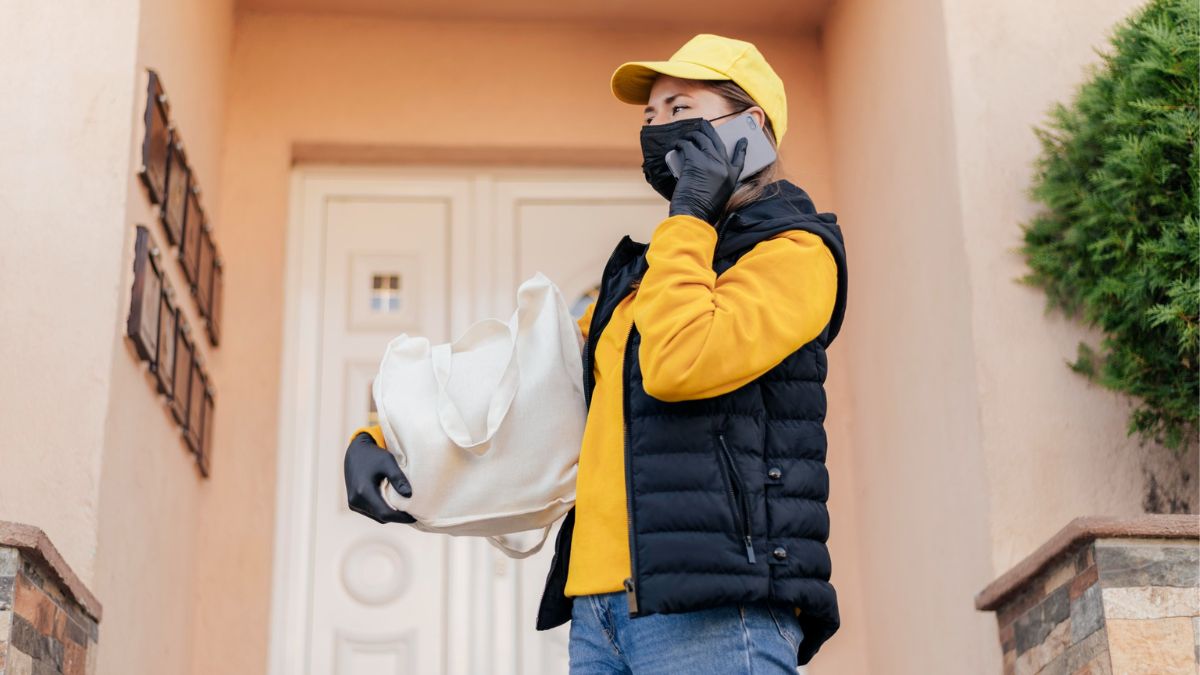
As a homeowner, nothing matters more than creating a healthy, secure living environment for your family. However, some dangers remain hidden for decades, quietly putting health at risk. One of the most serious of these threats is asbestlint, a term often used to describe asbestos-containing materials found in older homes. While asbestos was once celebrated for its durability and fire resistance, we now know it poses severe health hazards when disturbed.
If you suspect asbestlint in your home or are researching safe removal options, you are taking a responsible and proactive step. This comprehensive guide explains what asbestlint is, how to identify it, why professional asbestos removal matters, and what steps ensure long-term safety. With the right approach, you can protect your household and preserve your property’s value with confidence.
What Is Asbestlint and Why Is It Dangerous?
Asbestos is a naturally occurring mineral made of microscopic, fibrous crystals. For much of the 20th century, builders widely used it in insulation, roofing, flooring, cement products, and fireproofing materials. Asbestlint refers to these asbestos-containing materials (ACMs) commonly found in residential structures.
The danger lies in the fibers. When asbestos materials are cut, broken, or deteriorate over time, they release tiny fibers into the air. Once inhaled, these fibers can lodge deep in the lungs, leading to serious and often fatal diseases such as asbestosis, lung cancer, and mesothelioma.
Because symptoms may take decades to appear, asbestos exposure is especially dangerous. This delayed impact makes prevention, early identification, and safe removal absolutely essential for homeowners living in older properties.
Common Signs of Asbestos in Residential Properties
Asbestlint is often invisible to the untrained eye, but certain warning signs can help you identify potential risks. Homes built before the 1980s are especially likely to contain asbestos materials.
You may find asbestos in:
- Popcorn or textured ceilings
- Old vinyl floor tiles and adhesives
- Pipe and boiler insulation
- Roofing shingles and siding
- Cement boards and wall panels
Crumbling, cracked, or water-damaged materials raise immediate concern. Aging insulation around pipes or deteriorating ceiling tiles can easily release fibers into the air. Textured paints and coatings may also contain asbestos, particularly in older renovations.
If you notice suspicious materials, avoid touching or disturbing them. Even minor damage can release harmful fibers and increase exposure risks.
Why Professional Asbestlint Removal Is Essential
Asbestlint removal is not a typical home improvement project. Attempting to remove asbestos without proper training can expose you and your family to serious health hazards.
Professional asbestos removal specialists follow strict safety protocols. They use specialized equipment, protective suits, and advanced containment techniques to prevent fiber release. Certified professionals also understand local regulations and disposal requirements, ensuring full legal compliance.
Hiring experts reduces the risk of incomplete removal, accidental contamination, and long-term health consequences. In addition, professional remediation protects your property’s resale value by providing documentation that the asbestos was handled correctly and safely.
Step 1: Identifying Asbestos-Containing Materials (ACMs)
The first step in asbestlint removal is proper identification. Asbestos can be hidden in many structural and decorative materials, especially in older homes.
Carefully inspect ceilings, walls, floors, and utility areas without disturbing them. Popcorn ceilings, old insulation, and aged flooring materials are common sources. Take note of locations and material conditions.
If you are uncertain, never guess. Licensed asbestos inspectors can safely collect samples and conduct laboratory testing to confirm the presence of asbestos. Professional identification eliminates risk and ensures accuracy before any removal begins.
Step 2: Preparing the Area for Safe Removal
Preparation plays a critical role in minimizing asbestos exposure. Before removal begins, proper safety measures must be in place.
Personal protective equipment (PPE) is essential. This includes a fitted respirator mask, disposable coveralls, gloves, and protective eyewear. These items prevent fibers from entering the lungs or clinging to clothing.
Seal off the work area using thick plastic sheeting. Close vents, doorways, and windows to stop fibers from spreading throughout the house. Inform household members about the work and keep children and pets away from the area at all times.
Understanding and following local asbestos regulations at this stage helps ensure compliance and safety throughout the process.
Step 3: Safe Removal of Asbestlint Materials
During removal, safety and control are critical. Always wear protective equipment and avoid aggressive handling of materials.
Lightly dampen the asbestos-containing material using a fine mist of water. Moisture helps prevent fibers from becoming airborne. Use hand tools carefully and remove materials in whole sections whenever possible.
Never saw, sand, or break ACMs apart. Place removed materials directly into heavy-duty plastic bags designed for hazardous waste. Seal and label each bag clearly to prevent leaks or accidental exposure.
If at any point the process feels unsafe or overwhelming, stop immediately and contact a licensed asbestos removal professional.
Step 4: Proper Disposal of Asbestos Waste
Disposal is just as important as removal. Asbestlint is classified as hazardous waste and must be handled accordingly.
Check local and regional disposal laws before transporting any materials. Most areas require asbestos waste to be delivered to approved hazardous waste facilities.
Double-bag all materials in thick plastic and label them clearly with warning notices. Transport them carefully to prevent tearing, leaks, or dust release during transit.
Using authorized disposal facilities ensures environmental safety and protects public health while keeping you compliant with the law.
Post-Removal Safety Measures and Ongoing Protection
After removal, thorough cleaning is essential. Wipe all surfaces with damp cloths and dispose of cleaning materials safely. Avoid dry sweeping or vacuuming, as these actions can stir up remaining fibers.
Consider professional air quality testing to confirm that asbestos fibers are no longer present. This step provides peace of mind and documentation of a safe living environment.
Keep all inspection reports, removal records, and disposal receipts. These documents are valuable for future property transactions or health-related inquiries.
Regular home inspections and awareness of aging materials will help you prevent future asbestos-related risks.
Conclusion: Creating a Safer, Healthier Home
Asbestlint removal is a serious responsibility, but it is also an investment in your family’s long-term health and well-being. Understanding the dangers of asbestos, recognizing where it may be hiding, and following safe removal practices are crucial steps for any homeowner.
While small tasks around the house may be manageable on your own, asbestos removal is best left to trained professionals. Their expertise ensures thorough remediation, legal compliance, and reduced health risks.
By approaching asbestlint removal with care, preparation, and professional support, you can transform a hidden hazard into a resolved issue. The result is a safer home, greater peace of mind, and a healthier future for everyone under your roof.
ALSO VISIT;
Charfen.co.uk Review: A Complete Guide to Transformational Business Consulting
Fontlu Review: The Ultimate Font Management and Customization Tool for Modern Creators
Why Adsy.pw/hb3 Is a Game Changer in the Modern Advertising World
-
Uncategorized6 months ago
Hello world!
-

 BLOG5 months ago
Expertadvis.com: Shaping the Future of Data-Driven Business Advisory Services
-

 BLOG4 months ago
Protocolo Operacional Padrão (POP): The Key to Operational Efficiency and Security
-

 BLOG4 months ago
Sylveer in Pop Culture: The Mystical Force Shaping Art, Literature, and Modern Media
-

 BLOG6 months ago
Sodiceram Explained: A Deep Dive into Quality Craftsmanship, Innovative Design, and Lasting Durability
-

 BLOG3 months ago
Exploring Goldzeus.com: A Complete Guide to Features, Benefits, and User Experience
-

 BLOG5 months ago
Shani Levni: Redefining Art Through Activism, Authenticity, and Expression
-

 BLOG5 months ago
Maximize Your Business Reach with Adsy.pw/hb3: A Complete Guide to Smarter Advertising